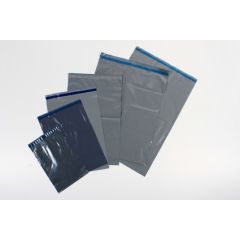
Introduction to Mailing Bags
Mailing bags have become essential in the shipping industry, serving as a reliable and efficient means for transporting goods. Their primary role is not just to protect items during transit but also to provide a secure closure that minimizes the risk of tampering or damage. With the increase in e-commerce, businesses are adopting mailing bags to streamline logistics while enhancing customer satisfaction.
Enhanced Security: Protecting Your Shipments
When considering the security of products during transit, mailing bags are a crucial factor. Various features enhance the protection they offer, ensuring that goods reach their destination safely.
Puncture Resistance
High-quality mailing bags made from puncture-resistant materials prevent sharp objects from penetrating the bag, safeguarding the contents. For instance, polyethylene and polypropylene materials are commonly used for their durability and strength, significantly reducing the risk of damage during handling and shipping. Research indicates that thicker-walled bags offer enhanced protection against punctures, making them ideal for shipping fragile or valuable items [ProPakAsia].
Tamper-Evident Designs
Tamper-evident mailing bags indicate if a package has been opened or compromised. These bags often utilize adhesive seals or custom security features that, once broken, cannot be resealed without visible signs of tampering. This is particularly important for valuable items or sensitive documents, as it gives customers confidence that their purchases remain secure until arrival [Packaging Europe].
Water Resistance
Water-resistant mailing bags ensure that products remain dry and intact, especially when exposed to rain or moisture during transit. This feature is essential for electronic goods, paper products, and other moisture-sensitive items. Suppliers often recommend using water-resistant mailing bags for e-commerce shipping to minimize returns and complaints arising from damaged goods [Australian Packaging Covenant].
Impact Resistance
Impact-resistant features in mailing bags absorb shock and protect contents against blunt forces. During transport, packages may be dropped or improperly stacked; hence, bags designed to withstand impact are essential for preserving product integrity. Many manufacturers are now incorporating cushioning materials into the design of mailing bags, which helps mitigate damage from external forces [Smithers Pira].
Eco-Friendly Materials: Sustainable Shipping Solutions
In recent years, the shipping industry has increasingly prioritized sustainable practices, particularly concerning the materials used in mailing bags. Biodegradable and recyclable options are at the forefront of this movement, helping to mitigate environmental impact and reduce waste.
Biodegradable Mailing Bags
Biodegradable mailing bags are primarily made from materials such as cornstarch, PLA (polylactic acid), and other plant-based polymers. These materials decompose under specific conditions, often within a few months, reducing the burden on landfills. Brands like EcoEnclose offer a range of biodegradable products, emphasizing their commitment to the circular economy.
Recyclable Mailing Bags
Recyclable mailing bags, typically produced from materials like HDPE (high-density polyethylene) and LDPE (low-density polyethylene), can be processed through existing recycling systems. These advancements have improved the recycling rates of these materials, ensuring they are diverted from landfills and re-enter the supply chain as new products [Novolex].
Hybrid Options
Some companies are exploring hybrid mailing bags that combine biodegradable materials with recyclable components, providing the benefits of strength and durability alongside environmental advantages. Innovations in packaging are vital as they cater to a market inundated with consumer demand for sustainable practices [Innovations in Hybrid Packaging].
Cost-Effectiveness: Saving Money with Mailing Bags
Using mailing bags can result in considerable cost savings in shipping due to reduced postage fees and a decrease in damages during transport.
Mailing bags are generally lighter and more flexible than traditional boxes, often leading to lower shipping costs. Many postal carriers calculate postage based on weight and dimensions, so a lighter mailing bag often results in a lower fee. For example, Royal Mail illustrates potential savings when choosing padded envelopes over boxes, showing that every gram counts in reducing costs.
Moreover, padded mailing bags provide enhanced protection, thereby reducing the likelihood of damage during transit. A significant percentage of damaged goods can be prevented with appropriate protective packaging, which helps preserve the bottom line [Packaging Institute].
Transitioning to mailing bags not only lowers postage fees but also diminishes potential damages during transport, enhancing shipping efficiency and cost-effectiveness.
Versatility: Choosing the Right Mailing Bag for Your Needs
When selecting mailing bags for shipping, consider the various types available and their suitability for specific products and shipping requirements. Here’s a guide to help you make the best choice.
- Polyethylene Mailing Bags: Versatile and water-resistant, ideal for clothing and non-fragile items.
- Padded Envelopes: Best for fragile items; features a layer of bubble wrap for added cushioning.
- Kraft Paper Bags: Eco-friendly, suitable for products that don’t require a waterproof barrier.
- Recycled Mailing Bags: Made from recycled materials, excellent for environmentally-conscious companies.
- Bubble Mailers: Offer extra protection against impact, perfect for electronics and fragile items.
- Heavy-Duty Poly Bags: Designed for heavier shipments with reinforced handles.
- Tamper-Evident Bags: Provide an added layer of security for sensitive shipments.
By aligning the choice of mailing bag with the specific needs of your products, you can enhance shipping efficiency and customer satisfaction. For more insights, visit B2B Solutions.
Conclusion: The Future of Secure and Eco-Friendly Shipping
The shipping industry is witnessing a significant shift towards eco-friendly practices, driven by increasing consumer demand for sustainable solutions. Traditional packaging options contribute to waste and pollution, while mailing bags present a viable alternative made from recyclable or biodegradable materials. Adopting mailing bags can reduce carbon footprints and promote responsible business practices, ensuring that as the logistics landscape evolves, businesses can reflect a commitment to sustainability.
Consider integrating mailing bags as your primary shipping choice for a greener future in packaging. For further insights, explore related topics on sustainable shipping practices in our blogs.
Sources
- Packaging Digest - Biodegradable Options in Packaging
- Packaging Europe - Tamper-Evident Designs
- Australian Packaging Covenant - Water Resistance
- Packaging Institute - Cost-Effectiveness in Packaging
- Packaging Logistics - Optimising Packaging Strategies
- Smithers Pira - Impact Resistance in Packaging
- The Economist - The Burden of Plastic Waste
- ProPakAsia - Puncture Resistance Features
- EcoEnclose - Biodegradable Mailing Bags
- Novolex - Recyclable Mailing Bags
- Packaging Strategies - Innovations in Hybrid Packaging
Comments
Post a Comment