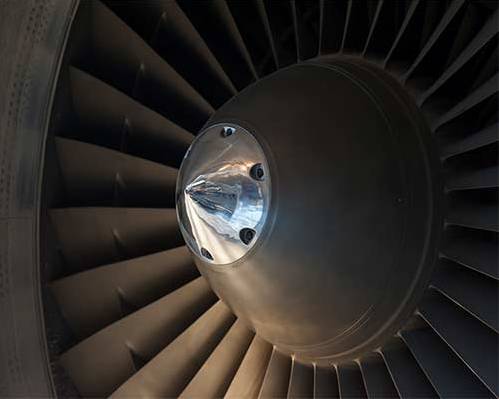
Introduction to Bespoke Engineering Solutions
Bespoke engineering solutions are becoming increasingly vital in UK manufacturing, offering tailored approaches that meet specific client needs and industry demands. These solutions are characterised by their adaptability to unique requirements, enabling manufacturers to innovate and enhance operational efficiency. For insights on bespoke engineering, check out bespoke engineering solutions.
The significance of bespoke engineering lies in its ability to foster creativity and innovation. Customised solutions can lead to the development of specialised products that better serve niche markets, ultimately improving competitiveness. According to the UK Government, the manufacturing sector plays a crucial role in the country's economy, contributing significantly to productivity and employment. Therefore, leveraging bespoke solutions can lead to optimised processes and reduced waste, aligning with the principles of lean manufacturing.
Moreover, bespoke engineering enhances collaboration between manufacturers and clients, facilitating a deeper understanding of project requirements. This partnership approach accelerates problem-solving and allows for the rapid iteration of prototypes, ultimately leading to faster market entry for new products. Research from the Made Smarter Review indicates that adopting such innovative practices can propel the UK manufacturing sector into a position of global leadership.
As industries increasingly focus on sustainability, bespoke engineering offers the flexibility needed to implement eco-friendly processes and materials. This aligns with the UK's broader commitment to achieving net-zero emissions by 2050, making bespoke solutions not just advantageous for profitability but essential for environmental responsibility.
The Importance of Customization in Manufacturing
While standard solutions provide a quick and often cost-effective response to manufacturing challenges, they frequently fall short by failing to address the unique operational requirements of specific industries. Standardised equipment or processes can lead to inefficiencies, increased downtime, and a lack of adaptability in the face of evolving production demands. For instance, in sectors such as aerospace or pharmaceuticals, where precision and compliance with strict regulations are paramount, the inability of standard solutions to meet these specificities can result in costly errors and production delays.
Bespoke engineering methods, on the other hand, are designed to meet the individual needs and challenges of each client. Tailored solutions are informed by in-depth analysis and collaboration, ensuring that every aspect—from materials to design—is optimised for the client's unique circumstances. This customization enables businesses to enhance efficiency, reduce waste, and significantly improve product quality. For example, companies like Bespoke Engineering Solutions have successfully demonstrated that tailored approaches to design and manufacturing not only meet but exceed industry standards.
Moreover, adopting bespoke engineering solutions fosters innovation. By developing unique products or processes that are specifically suited to their challenges, manufacturers can differentiate themselves in a competitive marketplace. Such differentiation not only meets immediate operational needs but also positions businesses favourably for future growth and sustainability.
Case Studies: Success Stories in the UK
Several UK manufacturers have successfully implemented bespoke engineering solutions, leading to significant improvements in productivity and innovation:
- Rolls-Royce: The aerospace and defence giant has leveraged bespoke manufacturing techniques, integrating advanced automation and 3D printing technologies in their engine assembly processes. This shift not only decreased production time but also enhanced precision in component design, resulting in a 30% reduction in manufacturing costs for certain engine components (Rolls-Royce Holdings plc).
- Jaguar Land Rover (JLR): JLR employs customised manufacturing systems to enhance vehicle production efficiency. The introduction of bespoke robotics for body construction has led to a 50% reduction in assembly line downtime, allowing for a more agile response to changing market demands while maintaining high-quality standards (Jaguar Land Rover).
- Bosch Thermotechnology: Bosch has adopted tailored engineering solutions to optimise their heating system manufacturing. By implementing flexible production lines that can quickly adapt to different product specifications, they have increased their output by 20% and reduced lead times significantly (Bosch Group).
- Boeing Sheffield: Boeing's UK site has developed a bespoke manufacturing approach that utilises precision machining techniques for aerospace parts. By streamlining their processes and investing in customised tooling, they have achieved a 25% increase in manufacturing efficiency and a notable decrease in material waste, contributing to more sustainable practices in the aerospace sector (Boeing).
- DMR Innovations: A smaller manufacturer focused on electronics, DMR has transformed their production through bespoke automation solutions. The implementation of AI-driven systems to assess and streamline workflows resulted in a productivity increase of 35%, allowing them to scale operations efficiently while reducing overhead costs (DMR Innovations).
These examples illustrate how bespoke engineering solutions can drive significant advancements in productivity and foster innovation across various manufacturing sectors in the UK.
Driving Innovation Through Collaboration and Technology
Collaboration between businesses and technology providers fosters the development of bespoke engineering solutions that leverage advanced technologies like AI and automation. This synergy enhances innovation by allowing organisations to merge their unique insights into industry challenges with cutting-edge technological capabilities.
Advanced technologies, such as AI, facilitate data analysis and predictive modelling, enabling businesses to tailor solutions according to specific needs. For instance, machine learning algorithms can optimise designs and processes, resulting in efficient workflows and minimised waste. Companies that partner with AI solution providers can implement systems that learn from operations, continually improving performance and reducing downtime.
Similarly, automation plays a crucial role in streamlining production processes. By integrating robotic process automation (RPA) within engineering solutions, businesses can achieve greater precision and speed, essential for delivering custom-tailored products. This automation not only accelerates production cycles but also enhances quality control, leading to improved customer satisfaction.
The collaboration extends beyond just implementation; it also involves ongoing engagement between stakeholders. Regular feedback loops between businesses and technology providers encourage continuous enhancement of solutions. This iterative process allows for rapid adjustments to evolving market conditions and customer preferences.
A notable example can be seen in the manufacturing sector, where companies employing AI-driven predictive maintenance solutions have significantly reduced operational costs and increased equipment longevity. By working closely with technology providers, these businesses not only modernise their facilities but also gain insights into downstream processes that can be adjusted for better performance.
In conclusion, the collaboration between businesses and technology providers is paramount in creating bespoke solutions that incorporate advanced technologies. This partnership not only drives innovation but also equips companies to respond to the challenges of a dynamic market effectively. For further insights on leveraging technology in engineering, visit this essential guide.
Future Trends in Bespoke Engineering for Manufacturing
The UK manufacturing sector is witnessing a transformative phase characterised by several emerging trends in bespoke engineering. As technology advances, companies are leveraging automation, artificial intelligence (AI), and the Internet of Things (IoT) to enhance efficiency and innovation.
One significant trend is the adoption of advanced manufacturing technologies, such as additive manufacturing and robotics. These technologies enable tailored production processes, allowing manufacturers to create customised solutions without significant cost increases. For example, 3D printing is increasingly being used for producing bespoke components, which reduces lead times and waste, promoting sustainable practices in manufacturing.
Another area of focus is the integration of smart technologies. Through IoT, machinery and equipment can communicate in real-time, collecting data that helps optimise performance and preemptively address maintenance needs. This connectivity not only enhances operational efficiency but also supports data-driven decision-making, leading to continual improvements in manufacturing processes.
Sustainability is also reshaping bespoke engineering in the UK. Manufacturers are prioritising eco-friendly practices and material sourcing, responding to consumer demand for sustainable products. This shift not only benefits the environment but can also lead to cost savings and improved brand reputation.
Collaboration is expected to nurture innovation in the bespoke engineering landscape. Companies are increasingly forming partnerships with tech firms and universities to tap into new ideas and technological advancements. Such collaborations can accelerate the development of novel manufacturing processes and products, positioning companies to better meet customer demands.
In summary, the future landscape of bespoke engineering within the UK manufacturing sector will be defined by advanced technologies, a focus on sustainability, and collaborative innovation. As these trends continue to evolve, they will foster continual improvement in both efficiency and innovation, reshaping how manufacturers operate and compete in the global market. Further insights into manufacturing innovations can be explored here.
Comments
Post a Comment