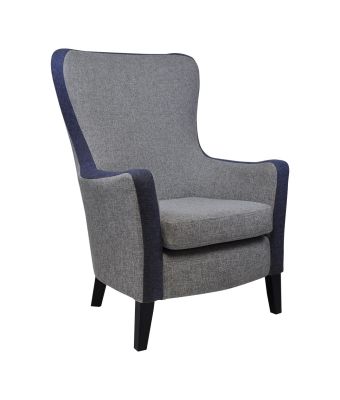
Importance of Contract Healthcare Furniture
Contract healthcare furniture plays a crucial role in designing patient environments that are both functional and comfortable. These specialized furnishings are tailored to meet the unique demands of healthcare settings, enhancing the overall patient experience while ensuring safety and efficiency. Key considerations in contract healthcare furniture include durability, ease of cleaning, and ergonomics. High-quality materials and designs not only withstand the rigors of frequent use but also contribute to infection control, thereby ensuring a safe environment for patients and staff alike. Research indicates that well-designed healthcare spaces can positively influence patient recovery times and overall satisfaction (NHS, 2019).
Barons Furniture, a leader in this sector, has made significant strides in providing innovative solutions that address these needs. Their range of products, from patient beds to waiting area seating, focuses on creating comfortable, supportive spaces that facilitate healing and comfort. By integrating style with functionality, Barons Furniture enhances the aesthetics of healthcare environments while adhering to rigorous safety standards (Barons Furniture, 2023).
Investing in contract healthcare furniture is not just a necessity but a vital commitment to patient well-being, showcasing a healthcare facility’s dedication to providing a supportive environment.
The Shift in Healthcare Furniture Design
The healthcare sector is experiencing a transformative shift in furniture design, driven by trends that enhance both aesthetics and functionality. Key influences include biophilic design, flexibility, and modularity, all of which are reshaping the environments where care is delivered.
Biophilic Design
Biophilic design integrates natural elements into healthcare environments, promoting wellbeing and reducing stress. This approach fosters a connection to nature, which has been shown to expedite recovery and improve patient satisfaction (Johns Hopkins School of Public Health). By incorporating natural light, plant life, and organic materials, healthcare facilities can create calming spaces that enhance both aesthetic appeal and therapeutic outcomes.
Flexibility
Modern healthcare furniture increasingly prioritizes flexibility, allowing for quick adaptation to changing needs. This versatility is crucial for environments that must accommodate diverse patient demographics and varying treatment protocols. Adjustable height and multipurpose furniture can optimize space usage and improve functional efficiency, catering to both patient and staff requirements (Healthcare Facilities Today).
Modularity
Modular furniture offers the advantage of reconfiguration, allowing healthcare facilities to tailor spaces according to specific demands. This adaptability can be particularly beneficial in response to fluctuating patient volumes or evolving care models. Barons Furniture is at the forefront of this innovation, offering modular solutions that not only support diverse functionalities but also enhance spatial design, ensuring that aesthetics remain aligned with practical usage.
Sustainability in Furniture Design
The demand for eco-friendly materials and sustainable practices in the furniture industry has been increasing significantly, driven by consumer awareness and environmental concerns. A report by the International Institute for Sustainable Development indicates that the global furniture market is anticipated to reach $650 billion by 2025, with a notable segment focusing on sustainable products.
Barons Furniture exemplifies how companies can effectively integrate sustainability into their manufacturing processes. They utilize materials such as reclaimed wood and sustainably sourced timber in their products, reducing waste and lessening the carbon footprint. Their manufacturing facilities employ energy-efficient technologies to minimize energy consumption and emissions throughout the production cycle.
Additionally, Barons Furniture implements a comprehensive recycling program, significantly reducing landfill waste by recycling materials such as offcuts and packaging. The company actively collaborates with suppliers who share their commitment to sustainable practices, ensuring a consistent approach across their supply chain.
This holistic focus on sustainability not only positions Barons Furniture as a responsible industry player but also caters to the growing consumer demand for eco-friendly choices in furniture. For further insights into eco-friendly practices in the furniture sector, explore additional resources highlighting sustainable furniture trends.
Advanced Technology in Healthcare Furniture
The healthcare sector is undergoing a significant transformation through the integration of advanced technologies into furniture design, providing benefits that extend to patient comfort, safety, and overall care quality. Notably, smart seating solutions are becoming increasingly prevalent. These innovative chairs and beds often feature adjustable settings, built-in vital sign monitoring, and therapeutic functionalities that cater to individual patient needs.
Smart seating can support proper posture and prevent pressure ulcers through dynamic adjustments, which is crucial considering that patients may spend extensive periods in one position. Moreover, integrated medical devices are evolving to become an essential component of healthcare furniture. Items like hospital beds now come equipped with technologies that allow for seamless communication with healthcare systems, enabling real-time updates on patient status.
This integration enhances workflow efficiency while fostering a more responsive environment for healthcare providers, ultimately improving patient outcomes. Barons Furniture has recognized these advancements, proactively adapting its product offerings to meet the demands of modern healthcare facilities. By incorporating features such as antimicrobial surfaces, modular designs, and connectivity options, Barons aims to enhance patient care while ensuring that furniture meets stringent health and safety standards.
As the healthcare landscape continues to evolve, it will be crucial for furniture manufacturers to keep pace, ensuring that their designs meet both technical specifications and the evolving needs of patients and healthcare providers alike. For further insights into how specific technologies are shaping healthcare environments, explore resources from industry experts such as the World Health Organization and NHS Improvement.
Future Trends in Healthcare Furniture Design
The healthcare furniture design landscape is shifting towards enhanced functionality, sustainability, and patient-centric solutions. Future trends point to an increasing integration of technology, with smart furniture enabling real-time data collection and analysis. This evolution supports the goal of improving patient outcomes and operational efficiency.
Barons Furniture is poised to play a pivotal role in this transformation by focusing on modularity and adaptability in their designs. These features allow healthcare facilities to reconfigure spaces quickly, responding to the dynamic needs of patients and staff alike. Incorporating eco-friendly materials aligns with sustainability goals that are increasingly important in healthcare environments.
Design will also prioritize human-centered elements, focusing on comfort, accessibility, and aesthetics. As healthcare systems move towards more welcoming environments, Barons Furniture’s dedication to creating aesthetically pleasing yet functional pieces will help bridge the gap between clinical efficacy and patient comfort. In anticipation of these trends, Barons Furniture’s innovative approach is set to redefine healthcare spaces, making them more adaptable and responsive to evolving needs while fostering healing through design.
For broader industry insights, examining resources on healthcare environment innovations might provide further context on emerging trends and expectations.
Sources
- Barons Furniture - Innovative Solutions in Healthcare
- NHS Improvement - Resources for Healthcare Providers
- Healthcare Facilities Today - Flexibility in Furniture Design
- Johns Hopkins School of Public Health - Benefits of Biophilic Design
- World Health Organization - Health and Safety Guidelines
- B2B Solutions Online - Healthcare Furnishings Guide
- International Institute for Sustainable Development - Sustainability in Furniture
Comments
Post a Comment