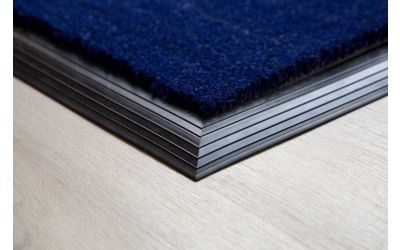
Introduction to Commercial Matting
Commercial matting serves a crucial function in enhancing safety and cleanliness within workplaces. By providing traction and reducing slip hazards, these mats significantly lower the risk of workplace injuries. According to the Health and Safety Executive (HSE), slips, trips, and falls are among the most common causes of accidents at work, underscoring the necessity of appropriate flooring solutions such as Commercial Matting to prevent these incidents.
Enhancing Workplace Safety
In any commercial environment, slip, trip, and fall incidents represent a significant safety concern. The HSE notes that slips and trips are the most common cause of workplace injuries in the UK, accounting for over 29% of all reported injuries. This stark statistic underscores the necessity of preventive measures, including the strategic use of commercial matting.
Various types of mats enhance safety, including:
- Entrance Mats: Commonly placed at doorways, these mats capture dirt and moisture, significantly reducing slip risks. A study by the National Safety Council reveals high-performance entrance mats can reduce maintenance costs by up to 70% and drastically decrease slip incidents.
- Anti-Fatigue Mats: Designed for employees who stand for prolonged periods, they help alleviate fatigue and promote good posture. Research in the Journal of Occupational Rehabilitation highlighted a potential decrease in workplace injuries by up to 30% with ergonomic mats.
- Grease-Resistant Mats: Essential in food service industries, these mats provide a slip-resistant surface during food preparation. The HSE indicates that such mats can help prevent up to 60% of slip-related injuries in commercial kitchens.
- Wet Area Mats: Specifically designed for areas prone to water accumulation, such as pools, they offer drainage channels helping keep surfaces dry and safe.
Therefore, investing in quality commercial matting is vital for ensuring a safe workplace environment.
Maintaining Cleanliness and Hygiene
Commercial matting is essential for maintaining cleanliness and hygiene in the workplace, especially in high-traffic areas where dirt and debris are frequently tracked inside. These mats act as the first line of defence, effectively reducing the ingress of soil and moisture, which helps maintain indoor air quality and reduces cleaning costs.
The design and material of commercial mats significantly impact their effectiveness:
- Rubber Mats: Known for durability and slip resistance, these mats trap dirt and moisture, making them ideal for entryways.
- Polypropylene Mats: Lightweight and quick-drying, these are suitable for wet environments like kitchens or restrooms. They are resistant to moisture and stains.
- Microfiber Mats: Excellent for capturing fine dust and allergens, they are ideal for sensitive areas such as healthcare facilities.
- Scraper Mats: Featuring textured surfaces to remove mud and debris from shoes, these mats contribute to a cleaner environment.
Implementing tailored matting solutions can enhance workplace hygiene, leading to a healthier atmosphere for employees and visitors alike.
Cost-Effectiveness and Longevity
Investing in quality commercial matting offers significant long-term financial benefits that extend far beyond the initial expenditure. High-quality mats can substantially reduce cleaning costs, a critical factor for businesses aiming to optimise operational efficiency. Mats that trap dirt and moisture at entry points minimise the debris that enters the building. Consequently, businesses could see up to a 75% decrease in cleaning expenses in some cases CleanLink.
Durability is another essential consideration. While high-quality mats may have a higher upfront cost, their longevity and performance result in lower replacement costs. According to FacilitiesNet, quality rubber mats can last several years longer than cheaper alternatives, enhancing their cost-effectiveness.
Effective matting systems reduce the frequency of deep cleaning and protect flooring, leading to fewer repairs and replacements over time. As highlighted by the International Sanitary Supply Association, facilities investing in quality matting systems can see a return on investment within the first few months of installation.
Choosing the Right Matting for Your Business Needs
Selecting appropriate commercial matting involves evaluating both safety and cleanliness to ensure an optimal working environment. Below is a guide to help you assess the types of mats available and align them with your operational needs:
1. Types of Commercial Mats
- Entrance Mats: These mats should feature rubber backings for durability and effective dirt trapping.
- Anti-Fatigue Mats: Opt for mats with cushioning to alleviate fatigue, ideal for workers standing for long periods.
- Wet Area Mats: Ensure these mats are made from non-slip materials, easy to clean, and resistant to mould.
- Industrial Mats: Choose heavy-duty options for areas with high foot traffic, featuring drainage holes for liquid spills.
2. Key Features to Evaluate
- Safety Ratings: Prioritise mats meeting safety standards, such as those certified by the National Floor Safety Institute (NFSI).
- Material Quality: Look for high-quality materials like rubber or vinyl that withstand wear over time.
- Maintenance Requirements: Consider ease of cleaning; some mats may require specific cleaning agents.
3. Matching Mats to Operational Needs
- Assess Foot Traffic: High-traffic areas necessitate durable, slip-resistant mats, while lower-traffic areas can utilise lighter materials.
- Evaluate Environmental Conditions: Consider specific environments, opting for weather-resistant materials or compliant mats for industrial spaces.
- Consider Aesthetic Needs: Select mats that align with your brand and enhance workplace aesthetics without compromising safety.
Conclusion and Future Trends
Commercial matting delivers numerous benefits that significantly enhance both safety and cleanliness in the workplace. They reduce slip incidents and trap dirt, ensuring clean premises and minimising contamination risks. Looking ahead, emerging trends highlight innovative materials and technologies that further prioritise health and safety.
Antimicrobial coatings are increasingly popular, providing enhanced protection against germs. Additionally, eco-friendly mats crafted from recycled materials appeal to businesses prioritising sustainability. The future may also see advanced matting solutions integrating smart technology for real-time monitoring of cleanliness and wear, showcasing a commitment to creating safe and clean work environments.
For more insights on maintaining workplace environments, read more [here](https://b2b-solutions-online.blogspot.com/2025/12/keeping-green-spaces-thriving-with.html).
Comments
Post a Comment